Understanding UAE Invoice Requirements: From Mandatory Fields to Digitalization Trends
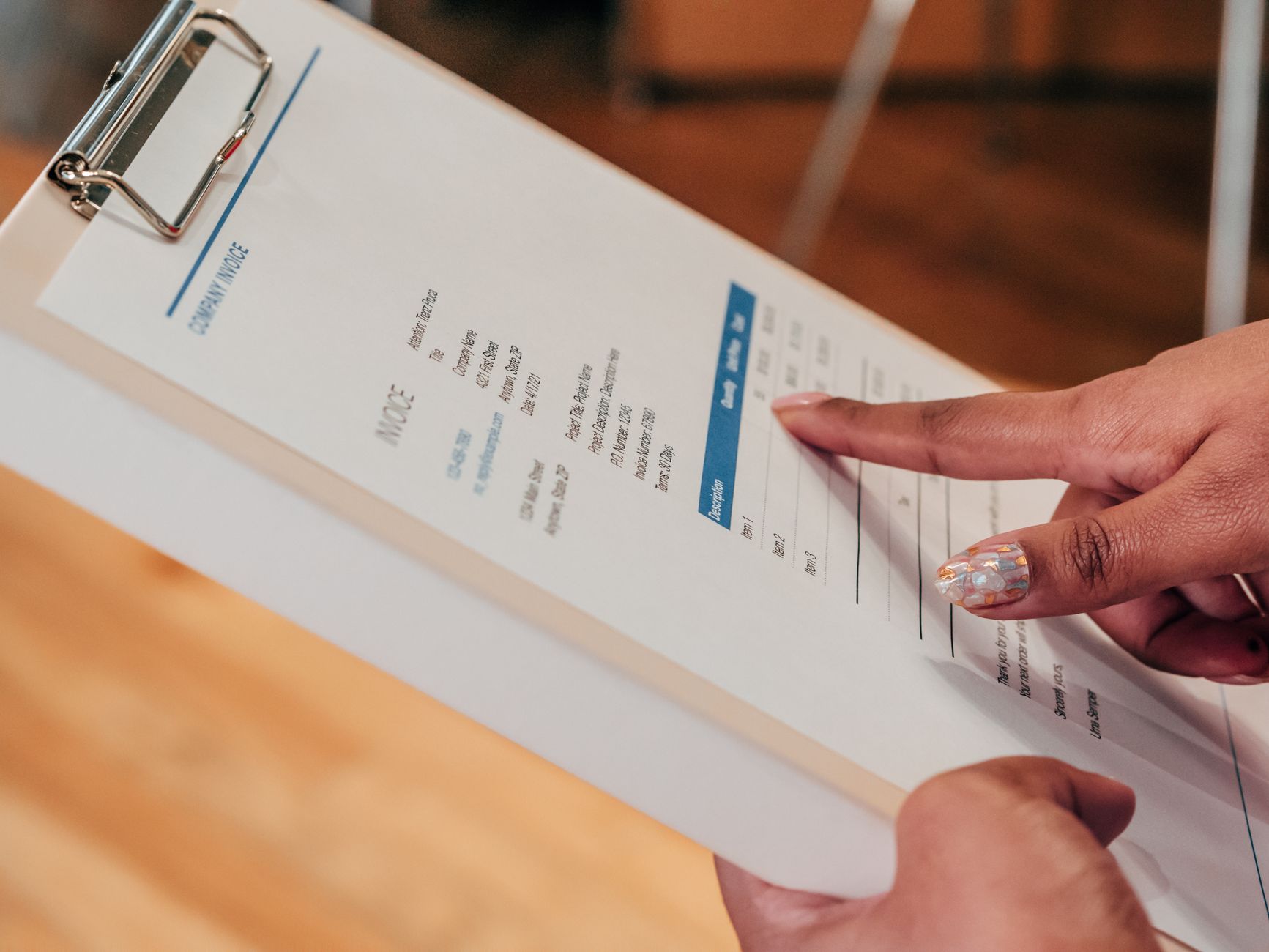
Navigating the UAE's invoice requirements is crucial for any business operating within the Emirates, especially with the impending Corporate Tax and e-invoicing initiatives. Beyond merely issuing a document, businesses must ensure their invoices comply with specific mandatory fields to be legally valid and acceptable for tax purposes. These typically include the supplier's full legal name and address, their Tax Registration Number (TRN) if VAT registered, the customer's full legal name and address (and TRN if applicable for B2B transactions), a unique invoice number, the date of issue, a clear description of goods or services, the quantity and unit price, the total amount payable, and any applicable VAT amount broken down by rate. Failing to include these critical details can lead to complications during audits, delays in payment, and even penalties.
The UAE is rapidly moving towards a more digitized financial ecosystem, and invoicing is no exception. While not yet universally mandated for all businesses, the trend towards electronic invoicing (e-invoicing) is undeniable and will likely become standard practice in the near future. This shift is driven by a desire for increased efficiency, reduced fraud, and enhanced transparency for tax authorities. Businesses should begin preparing by exploring robust accounting software solutions that support digital invoice generation and storage, ensuring compliance with data security and integrity standards. Embracing digitalization now will not only streamline internal processes but also position businesses to seamlessly adapt to future regulatory changes, making their financial operations more resilient and future-proof.
To issue an invoice, start by gathering all necessary information such as client details, itemized list of services or products, quantities, rates, and the total amount due. Next, choose an invoicing method, whether it's through accounting software, a word processor, or an online invoicing tool. For a comprehensive guide on how to issue an invoice, ensure all required fields like invoice number, date, payment terms, and your business information are accurately filled out before sending it to your client.
Issuing Compliant Invoices & Ensuring Prompt Payments: Practical Tips & Common Pitfalls
Ensuring your invoices are not just sent, but are also fully compliant and clear, is paramount for efficient payment processing. This goes beyond simply listing services and prices; it involves adhering to relevant tax regulations, including required fields like your VAT number (if applicable), and providing a detailed breakdown of services rendered. Consider using a standardized template and double-checking for accuracy before dispatch. Furthermore, clearly state your payment terms, including due dates and any late payment penalties, to avoid ambiguity. Offering multiple convenient payment methods, such as bank transfers, online payment gateways, or even direct debits, can significantly improve the likelihood of prompt payment. Remember, a professional and easy-to-understand invoice reduces queries and speeds up the entire financial cycle.
While compliance is key, proactively managing your accounts receivable is equally vital for ensuring prompt payments. A common pitfall is the failure to follow up on overdue invoices. Implement a systematic approach for chasing payments, starting with gentle reminders before escalating to more formal communication. Consider sending automated reminders a few days before the due date, and again shortly after if payment hasn't been received. Another frequent issue is a lack of clear internal processes for dispute resolution; unresolved queries often lead to delayed payments.
Pro Tip: Foster open communication with your clients. A quick call to confirm receipt of an invoice or to address any potential issues can often prevent delays before they even start. Building strong client relationships extends to efficient financial interactions.Don't underestimate the power of a well-organized invoicing and follow-up system for maintaining healthy cash flow.