Top 10 Study Techniques Used by Top Students
Effective study techniques are the cornerstone of academic success, especially for top students who consistently outperform their peers. Here are the Top 10 Study Techniques Used by Top Students:
- Active Recall: This method involves actively testing yourself on the material, which strengthens memory retention.
- Spaced Repetition: By reviewing information at increasing intervals, students enhance their long-term retention.
- Pomodoro Technique: Breaking study sessions into intervals, typically 25 minutes, followed by short breaks, helps maintain focus and avoids burnout.
- Mind Mapping: Creating visual representations of information aids in understanding and remembering complex topics.
- Interleaving Practice: Mixing different subjects or topics during study sessions fosters better learning by challenging the brain.
Top students also incorporate collaborative learning into their study routines, as discussing concepts with peers can deepen understanding. Moreover, they've mastered the art of goal setting, breaking their workload into manageable targets. Utilizing study aids such as flashcards and summaries further reinforces learning. Lastly, maintaining a dedicated study environment free from distractions ensures maximum productivity. By adopting these skills, anyone can enhance their study habits and become a more effective learner.
The Science of Studying: How to Optimize Your Learning
Understanding the science of studying involves recognizing how our brains absorb and retain information. Cognitive psychology has revealed that effective learning strategies can significantly boost memory and comprehension. Key techniques include active recall, which encourages learners to retrieve information from memory, and spaced repetition, a method where you review material at increasing intervals. Implementing these strategies not only enhances retention but also reduces the time spent on studying, making your study sessions more productive.
In addition to these methods, optimizing your learning environment is crucial. A well-organized space, free from distractions, can greatly improve focus and retention levels. Consider the following tips to enhance your study environment:
- Choose a quiet, comfortable workspace.
- Minimize digital distractions by silencing notifications on your devices.
- Keep all necessary materials within reach to maintain a smooth workflow.
By applying the principles of the science of studying and adjusting your environment, you can transform your learning process and achieve better academic results.
What Do the Most Successful Students Do Differently?
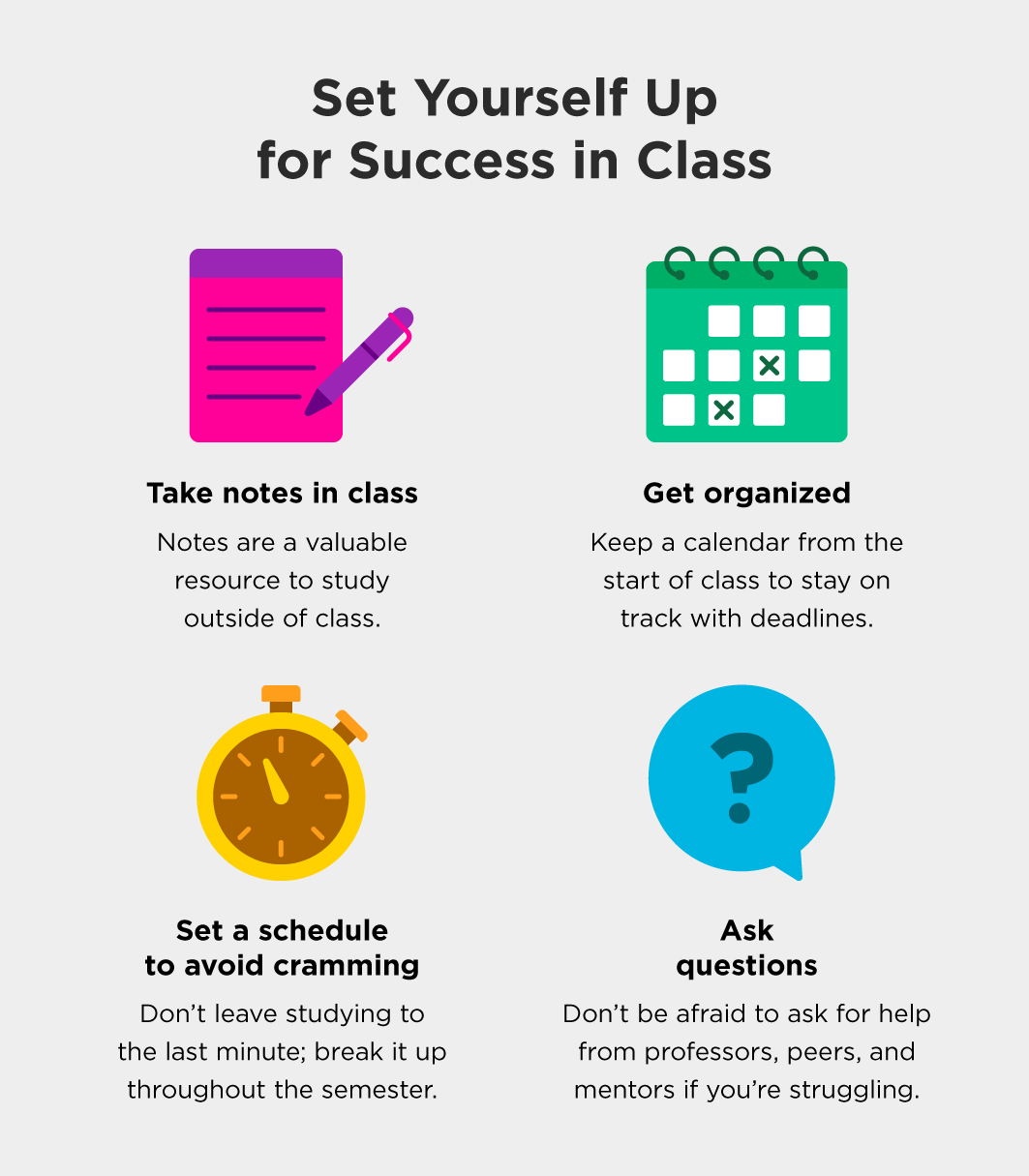
The most successful students distinguish themselves through a combination of effective time management and a proactive approach to their studies. They often create structured schedules that balance their academic responsibilities with extracurricular activities, ensuring they allocate adequate time for each subject. Utilizing tools such as planners and digital calendars, these students can prioritize their tasks and avoid last-minute cramming. Additionally, they set specific, measurable goals for each semester which helps keep them focused and motivated.
Another key trait of successful students is their active engagement during lessons. Rather than passively absorbing information, they participate in discussions, ask questions, and take detailed notes. By doing so, they reinforce their understanding of the material and are more likely to retain important concepts. Furthermore, they seek out additional resources such as study groups or online forums to enhance their learning, ensuring they remain connected with their peers and available support systems. This willingness to go the extra mile often results in higher academic achievement and a deeper comprehension of the subject matter.