Top 5 Protein Sources for Lean Muscle Gain
When it comes to achieving lean muscle gain, incorporating the right sources of protein into your diet is crucial. Here are the top 5 protein sources that can support your muscle-building efforts:
- Chicken Breast: This lean meat is a staple for many fitness enthusiasts. Rich in protein and low in fat, it helps in muscle repair and growth. You can find more about its benefits on Healthline.
- Eggs: Packed with high-quality protein, eggs are a versatile food that can be eaten in various ways. They also contain essential amino acids necessary for muscle synthesis. Check out the powerful nutrients in eggs at Eat Right.
- Greek Yogurt: This dairy product is not only high in protein but also contains probiotics that can help with digestion. Opt for plain Greek yogurt to maximize benefits. Discover more information on its health benefits at Medical News Today.
- Quinoa: For those following plant-based diets, quinoa provides complete protein, meaning it contains all nine essential amino acids. It is also a gluten-free grain. To learn how to incorporate it into your diet, visit Healthline.
- Fish: Fish like salmon and tuna not only deliver a significant amount of protein but also provide omega-3 fatty acids, which are important for muscle recovery. For a detailed look at their benefits, see Health Benefits Times.
How to Create a Bulk Meal Plan Without Excess Calories
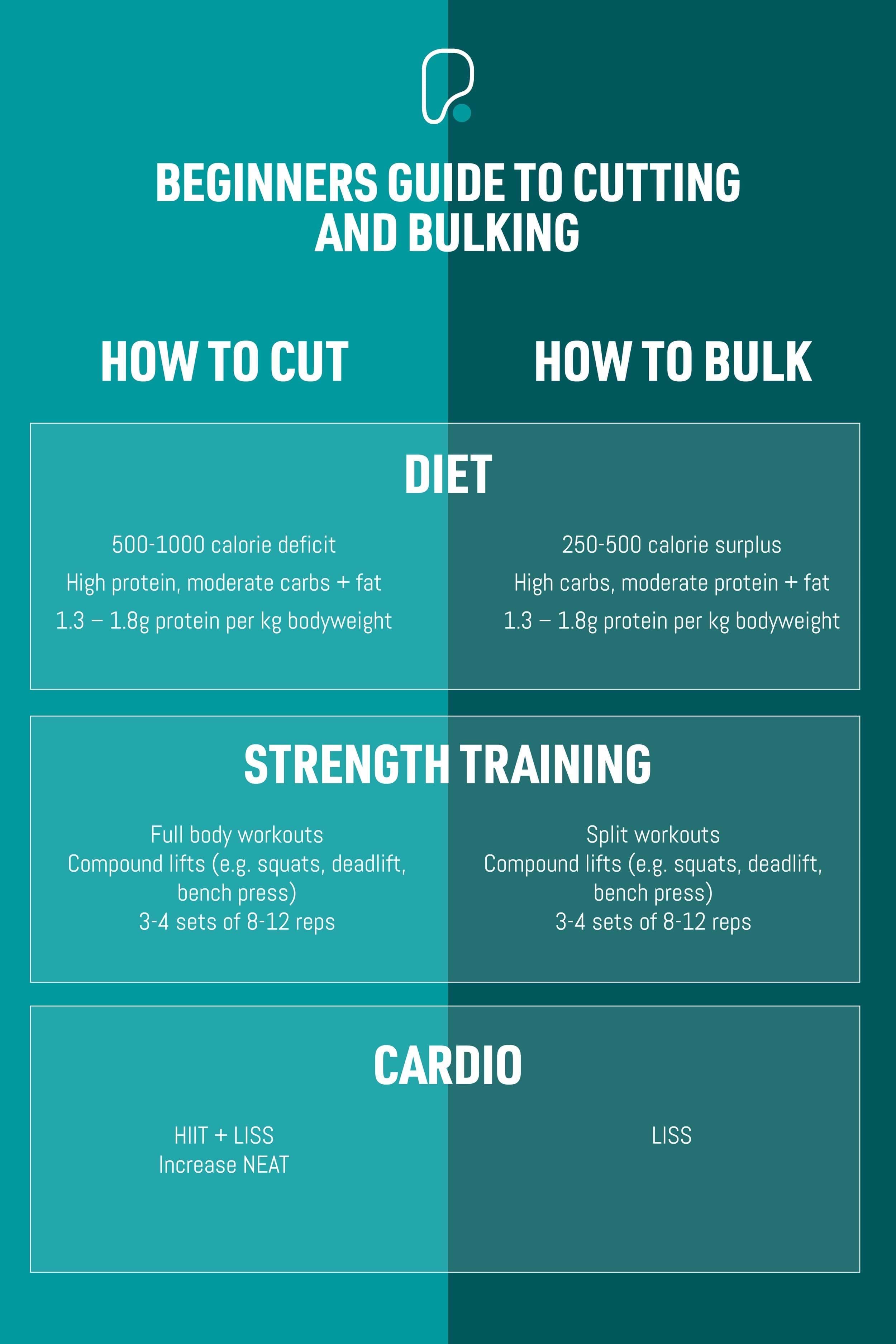
Creating a bulk meal plan while avoiding excess calories starts with understanding your body's nutritional needs. Begin by calculating your daily caloric requirements using a reliable online calculator. Once you have this number, aim to create meals that provide a slight surplus of calories, typically 250-500 calories, to support muscle growth without unnecessary fat gain. Incorporate a variety of macronutrients: prioritize lean proteins, healthy fats, and complex carbohydrates. Websites like Healthline offer valuable insights on balancing these macronutrients for optimal results.
Next, plan your meals by focusing on bulk cooking techniques. Consider utilizing meal prepping methods where you prepare larger portions of food that can be stored and consumed throughout the week. Not only does this save time, but it also helps in managing portion sizes, ensuring you don't overeat. Use airtight containers to divide your meals into appropriate servings and include a variety of vegetables, whole grains, and proteins to keep your meals interesting and fulfilling. For further tips on meal prepping, you may refer to Kitchn, which offers great advice on bulk cooking strategies.
Common Myths About Bulking Up: What You Need to Know
There are several common myths about bulking up that can mislead individuals who are looking to build muscle effectively. One prevalent myth is that you have to consume excessive amounts of protein to gain muscle. In reality, while protein is crucial, the body only needs a certain amount for muscle repair and growth. Research suggests that about 1.6 to 2.2 grams of protein per kilogram of body weight is sufficient for those engaged in strength training. For more accurate information on protein needs, check out this study.
Another misconception is that bulking up means gaining weight indiscriminately, including fat. Many believe that a calorie surplus is the sole requirement for building muscle. However, a more strategic approach involving a controlled caloric surplus combined with a balanced diet and strength training is key. Focusing on nutrient-dense foods can help limit unwanted fat gain during a bulking phase. For further insights into this topic, you might find this article helpful.